Current and Upcoming Exhibitions
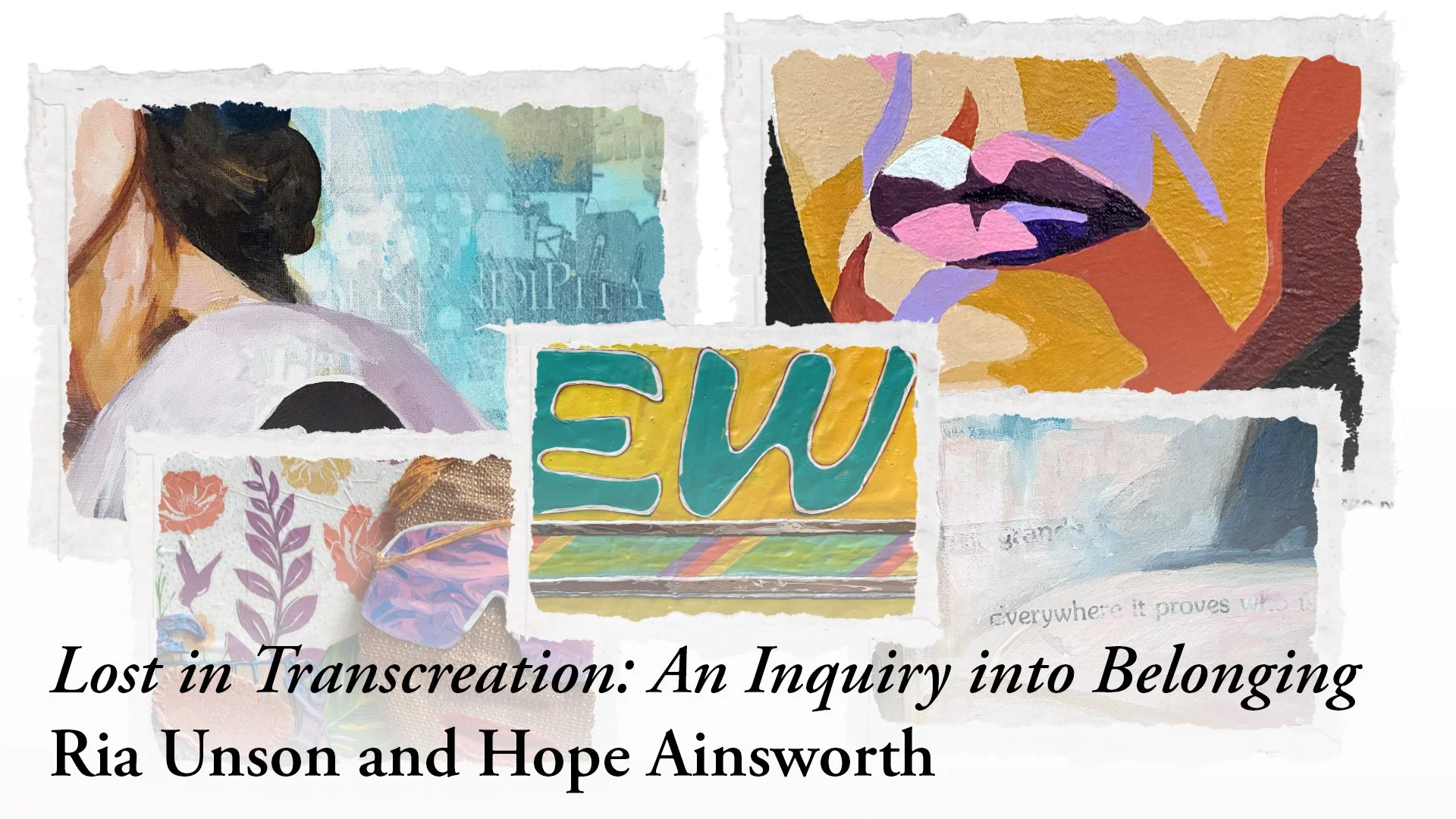
Lost in Transcreation: An inquiry into belonging with Ria Unson and Hope Ainsworth
Curated Gallery
September 4 - October 10, 2026
Opening Reception: September 4 | 6:30-8 pm
Artist Talk: September 4 | 6-6:30 pm
Through a “call and response” process, two multidisciplinary artists create a collection of work based on a series of prompts around the themes of identity and perception and how these concepts shape their lived experiences as Filipina-Americans. Through 2D and 3D work with paint, glue, found objects, and textiles, Hope and Ria explore what it means to be translated, mediated, or just be confusing. What kind of material remains when two women engage in an excavation of third culture? How does their ongoing conversation mirror a broader one as it relates to meaningful connection across cultural collision?
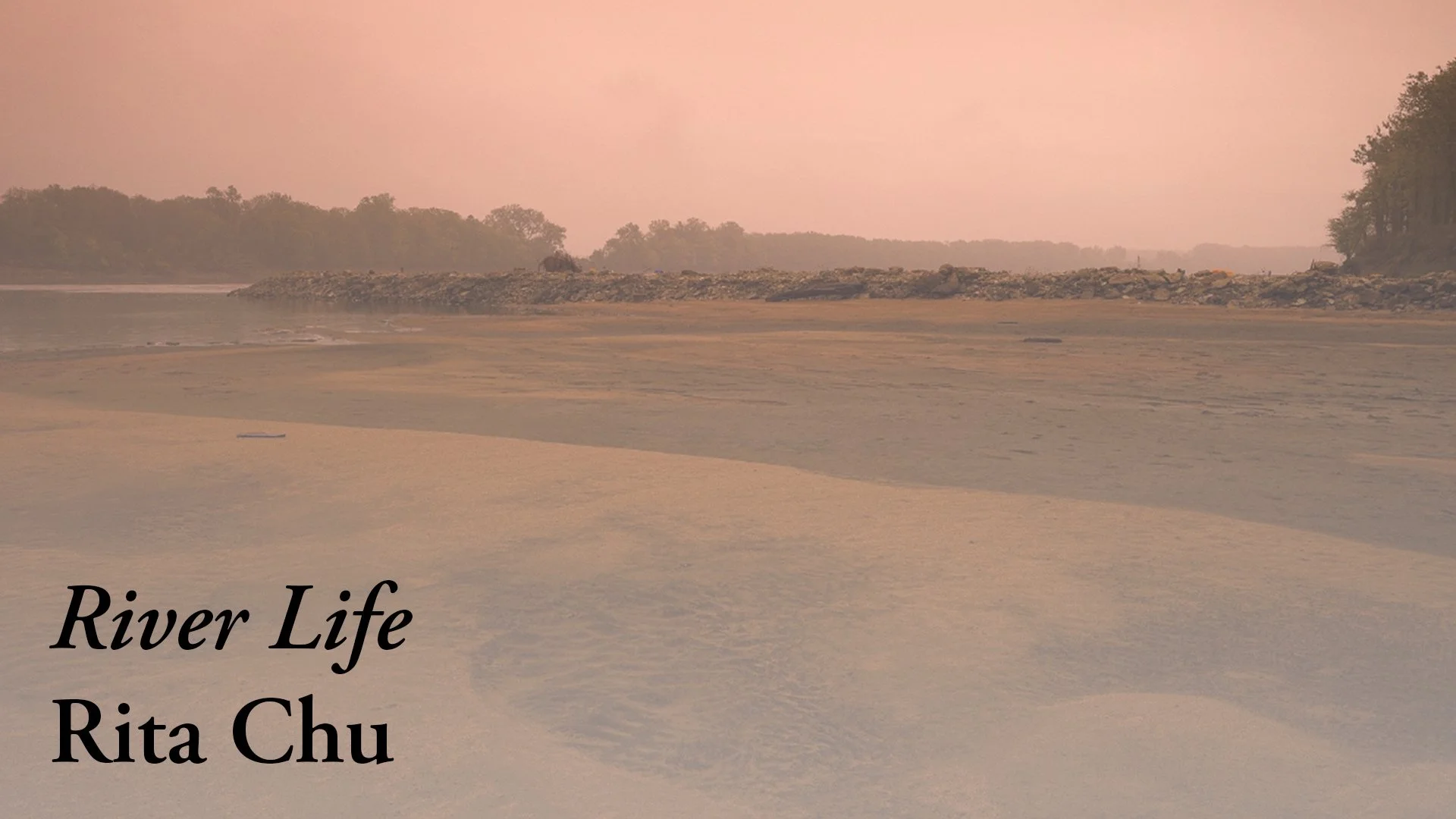
River Life By Rita Chu
Ramp Gallery
September 4 - October 10, 2026
Opening Reception: September 4 | 6:30-8 pm
Artist Talk: September 4 | 6-6:30 pm
River Life explores the Missouri, Mississippi, and Current Rivers through flow, perception, and place. Created while paddling these waterways, the photographs begin as quiet encounters with shifting light, weather, water, and the built landscape. Over time, these moments become outward reflections on my own inner landscape.
The river reveals both tenderness and tension. Sunrise, fog, wind, and sand speak to impermanence, uncertainty, and renewal, while towboats, locks, and dams trace the enduring relationship between people, industry, and the natural world. Moving between the visible and the unseen, River Life invites viewers to consider the river as both a physical place and a space where observation, reflection, and change unfold.
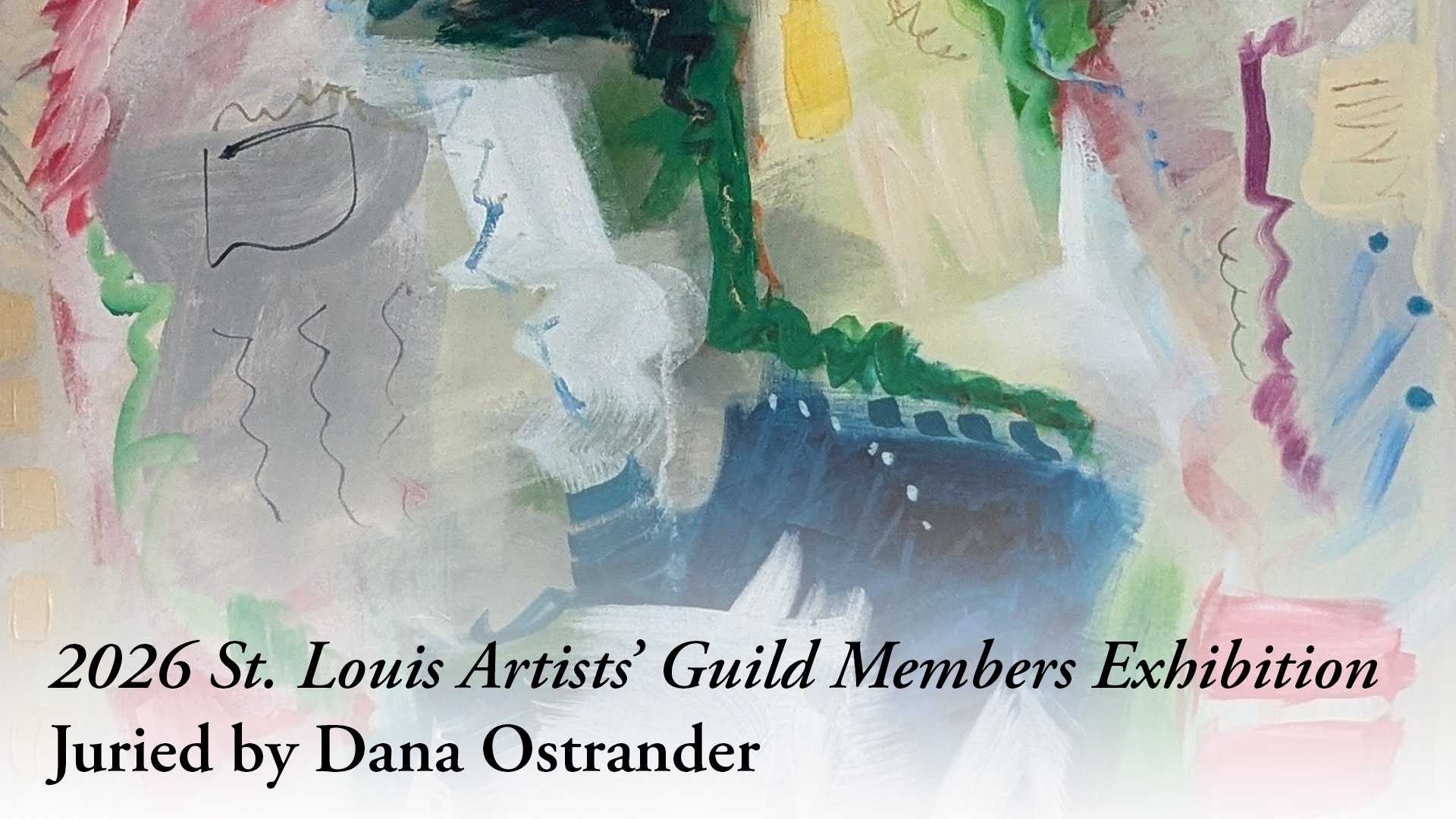
St. Louis Artists’ Guild Members Exhibition
Juried Gallery
September 4 - October 10, 2026
Opening Reception: September 4 | 6:30-8 pm